


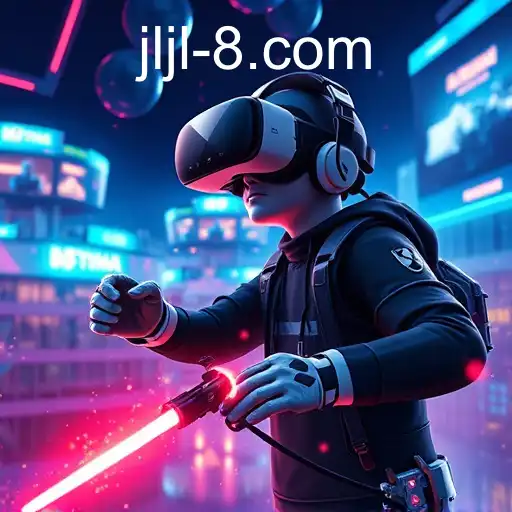
As the gaming industry propels forward into the mid-2020s, the landscape is dramatically evolving with technology at the forefront. Traditional gaming platforms are being overshadowed by innovative technologies such as virtual reality and augmented reality, which are pushing the boundaries of player immersion and interactivity. This new era of gaming is characterized by a fusion of cutting-edge technology and creative game design.
One of the remarkable trends seen in recent years is the shift towards more immersive game experiences. Virtual reality (VR) headsets, initially perceived as niche gadgets, have now become a staple in many homes, offering players an unparalleled sense of presence within digital worlds. These advancements have opened up new opportunities for game developers to create experiences that were once thought impossible.
Alongside VR, augmented reality (AR) is also making significant strides, blending the digital realm with the physical world. Games like Pokémon GO, which became a global sensation a few years back, paved the way for new AR experiences that captivate millions globally. This fusion of real and virtual worlds is changing how we interact with games and the spaces around us.
Moreover, the integration of artificial intelligence in games is revolutionizing how players interact with characters and storylines. AI-driven NPCs (non-player characters) are now capable of exhibiting unique behaviors and adapting to player actions, creating more dynamic and personalized game narratives. This sophistication in AI technology has significantly enhanced the storytelling capability of game developers.
Another compelling development in the gaming industry is the rise of cloud gaming platforms. Services such as Google Stadia and Xbox Cloud Gaming are breaking barriers, making high-quality gaming accessible without the need for expensive hardware. This shift is democratizing access to games, allowing more people to partake in gaming experiences across various devices seamlessly.
The intersection of gaming and social media is also becoming more pronounced, with platforms like Twitch and YouTube Gaming growing as hubs for gaming content. Content creators are attracting millions of viewers, further solidifying the cultural impact of gaming in contemporary society. This synergy between gaming and social media is fostering vibrant communities and new forms of entertainment.
As we continue into 2025, these trends illustrate how gaming is not just a form of entertainment, but a dynamic and continually evolving medium that reflects broader technological and cultural shifts. The gaming industry's future looks promising, with endless possibilities for innovation and creativity, making it an exciting time for gamers and developers alike.